

Cupping Therapy
Cupping therapy is a traditional practice that involves placing cups on the skin to create suction. This suction pulls the skin upward and may increase local blood flow. Cupping is sometimes used to help relieve back pain, neck pain, headaches, and muscle discomfort.
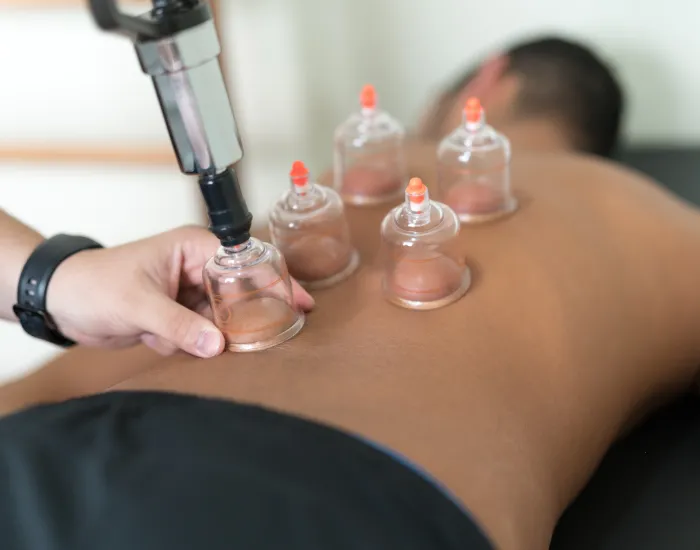
What is cupping therapy?
Cupping therapy is a traditional healing practice commonly used to help manage pain and muscle discomfort. During treatment, a practitioner places special cups on areas such as the back, abdomen, arms, or legs. Suction is created inside the cups, gently drawing the skin upward.
The practice has been used for thousands of years, with historical roots in China and Western Asia, as well as other traditional medical systems. It may also be referred to as cupping, cup therapy, or suction cup therapy.
Cupping therapy uses suction on the skin and is most commonly used as a complementary approach for pain and muscle discomfort. Some people also use it for ongoing health concerns, although scientific evidence for many of these uses remains limited or uncertain.
Cupping has been used for symptoms associated with
- Arthritis, including rheumatoid arthritis.
- Back pain, neck pain, knee pain and shoulder pain.
- Asthma and other breathing issues.
- Carpal tunnel syndrome.
- Gastrointestinal (GI) disorders like irritable bowel syndrome (IBS)
- Headaches and migraines.
- High blood pressure (hypertension).
Treatment Details
How does cupping work?
Researchers are still investigating how cupping therapy may influence pain and other symptoms, and the available scientific evidence remains limited.
When suction is applied, the skin and underlying tissues are drawn into the cup. This can increase local fluid movement and cause tiny capillaries beneath the skin to rupture, producing the characteristic circular red or purple marks. The body then responds to this localized tissue stress through normal inflammatory and healing processes, which may contribute to some of the reported effects on pain.
Cupping is sometimes described as “removing toxins,” but there is currently no strong scientific evidence that it detoxifies the body or physically draws toxins out through the skin.
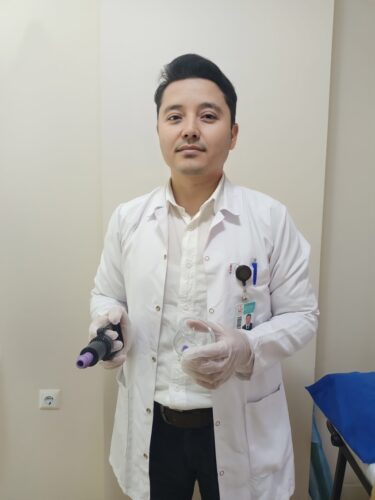
Types of Cupping Therapy
Cupping can be performed using several techniques, with each method differing slightly in how suction is created and applied. Cups are generally kept on the skin for several minutes, although some techniques involve moving the cups across the treatment area.
➟ Dry Cupping
A vacuum is created inside the cup using heat or a mechanical suction device. The resulting negative pressure gently draws the skin and superficial tissues upward into the cup.
➟ Running Cupping
This technique is similar to dry cupping, but oil or lotion is applied to the skin first. The practitioner then gently slides the suctioned cups across the treatment area, producing a massage-like effect.
➟ Wet Cupping
In wet cupping, the skin is lightly punctured with a sterile instrument, and suction is applied so that a small amount of blood collects inside the cup. Although traditionally described as removing “toxins,” there is no strong scientific evidence that this process detoxifies the body.
➟ Number of Cups
The number of cups used depends on the technique and treatment area. Several cups may be applied at the same time, with the exact number determined by the practitioner and individual circumstances.
Who performs cupping therapy?
A variety of healthcare providers can receive training to perform cupping, including:
- Acupuncturists.
- Chiropractors.
- Massage therapists.
- Medical doctors.
- Physical therapists.
What are the risks or complications of cup therapy?
Cupping is a relatively low-risk therapy. Still, you may experience:
- Bruising.
- Burns from heated cups.
- Fatigue.
- Headaches.
- Muscle tension or soreness.
- Nausea.
Skin infections, itching or scarringIn uncommon cases, cupping may trigger vasovagal syncope, causing a person to feel lightheaded or faint due to a temporary drop in heart rate and blood pressure. This reaction is more likely during wet cupping, particularly in people who are prone to fainting when exposed to needles or blood.
Who shouldn’t get cupping?
Because researchers know so little about cupping’s effects on pregnancy, you shouldn’t have cupping therapy if you’re pregnant. You should also avoid cupping if you have:
- Anemia.
- A pacemaker.
- Bleeding disorders like hemophilia.
- Blood clotting problems, like deep vein thrombosis (DVT) or a history of strokes.
- Cardiovascular disease.
- Skin conditions, including eczema and psoriasis.
- Seizures (epilepsy).
Frequently Asked Questions