


Platelet-Rich Plasma (PRP) Injections
Platelet-rich plasma (PRP) injections are becoming increasingly popular for managing a range of conditions, including sports-related injuries and hair loss. This treatment uses a concentrated preparation made from the patient’s own blood, which contains platelets and growth factors that may support tissue repair and the body’s natural healing processes in the targeted area.
What is platelet-rich plasma?
Platelet-rich plasma (PRP) is made up of two main components: plasma, the liquid part of blood, and platelets, blood cells that play an important role in clotting and tissue repair.
In addition to helping control bleeding, platelets contain growth factors and other signaling proteins that support cell activity and may promote tissue repair and regeneration. PRP is essentially plasma that has been prepared to contain a higher concentration of platelets than is normally found in blood.
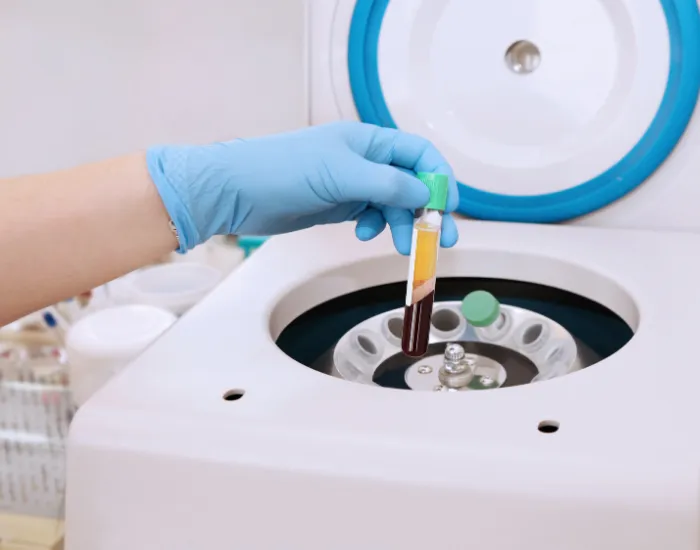
To prepare PRP, a healthcare professional draws a small amount of the patient’s blood. The sample is then placed in a centrifuge, which spins it at high speed to separate its different components. This process concentrates the platelets within the plasma, producing PRP that can then be used for treatment in a targeted area.
What is a PRP injection?
Once platelet-rich plasma (PRP) has been prepared from the patient’s own blood, it is injected directly into the area being treated, such as an injured tendon, muscle, or joint. In some cases, ultrasound guidance is used to help ensure accurate placement of the injection.
The purpose of PRP therapy is to deliver a concentrated amount of platelets and growth factors to the affected tissue. These naturally occurring substances are involved in the body’s repair processes and may help support tissue healing and regeneration.
The exact way PRP produces its effects is still being investigated. Research suggests that the increased concentration of growth factors may enhance certain healing responses, potentially helping with pain reduction and tissue recovery in some musculoskeletal conditions. PRP has also been studied for its potential to stimulate hair growth in certain types of hair loss.
However, the effectiveness of PRP varies depending on the condition being treated, and results are not guaranteed.
What is PRP treatment used for?
Tendon, Ligament, Muscle and Joint Injuries
PRP injections are being used as a treatment option for certain musculoskeletal injuries and disorders, particularly conditions involving tendons. Chronic tendon problems, such as tennis elbow (lateral epicondylitis) and jumper’s knee (patellar tendinopathy), can sometimes require a prolonged recovery period.
PRP may be incorporated into a broader treatment plan to support the body’s natural tissue-repair processes. In some patients and for some conditions, it may help reduce pain, improve function, and promote recovery, potentially supporting an earlier return to normal activities.
However, the effectiveness of PRP varies by condition and patient, and research continues to evaluate which musculoskeletal problems benefit most from this treatment.
Post-Surgical Healing
PRP was initially used to support recovery following certain jaw and reconstructive or plastic surgical procedures. Its use has since expanded to other areas of surgery, particularly procedures involving muscles, tendons, and ligaments, which can require lengthy healing periods.
PRP may be used as an additional therapy to support the body’s natural tissue-repair process and potentially improve recovery. However, its effectiveness varies depending on the type of surgery and tissue involved, and evidence for some applications is still developing
Osteoarthritis
Emerging research suggests that PRP injections may help relieve pain and improve joint function in some people with osteoarthritis. PRP may influence the joint environment and inflammatory processes, potentially helping to reduce symptoms such as pain and stiffness. However, research is ongoing, and its effectiveness can vary between individuals.
Hair Loss
PRP injections are increasingly used as a treatment option for certain types of hair loss, particularly androgenetic alopecia (pattern hair loss). By delivering concentrated platelets and growth factors into the scalp, PRP may help stimulate hair follicles, reduce hair shedding, and promote increased hair density and growth in some individuals.
PRP may also be used alongside hair transplantation to support follicle recovery and encourage hair growth after the procedure. However, individual responses can vary, and multiple treatment sessions may be required.
Skin Rejuvenation
PRP injections are sometimes used in cosmetic and skin-rejuvenation treatments with the aim of improving skin texture and reducing visible signs of aging. Although PRP contains growth factors involved in tissue repair, current evidence supporting its ability to significantly reduce wrinkles and other age-related skin changes remains limited. Further high-quality research is needed to better establish its effectiveness for cosmetic skin rejuvenation.
PRP Therapy Risks and Side Effects
PRP injections are generally considered low-risk procedures, and serious complications are uncommon. Because treatment requires a blood sample to be collected, patients may be advised to eat and stay well hydrated beforehand to reduce the chance of dizziness or feeling faint during the blood draw.
Following the injection, temporary pain, tenderness, swelling, or bruising may occur around the treated area. These effects are usually mild and improve with time.
Since PRP is prepared from the patient’s own blood and plasma, the likelihood of an allergic reaction is generally low. However, as with any injection-based procedure, complications can still occur.
Less common risks may include:
-
Bleeding or bruising
-
Infection
-
Tissue injury
-
Nerve injury
-
Temporary worsening of pain or swelling
Anyone considering PRP therapy should discuss their medical history, expected benefits, possible risks, and available alternative treatments with a qualified healthcare professional before proceeding.
Frequently Asked Questions