

Hirudotherapy
Many people feel uncomfortable at the thought of leeches, especially when imagining them being placed on the skin as part of medical treatment. Surprisingly, however, medicinal leeches still have a role in modern medicine and are used in certain surgical settings as part of specialized patient care.
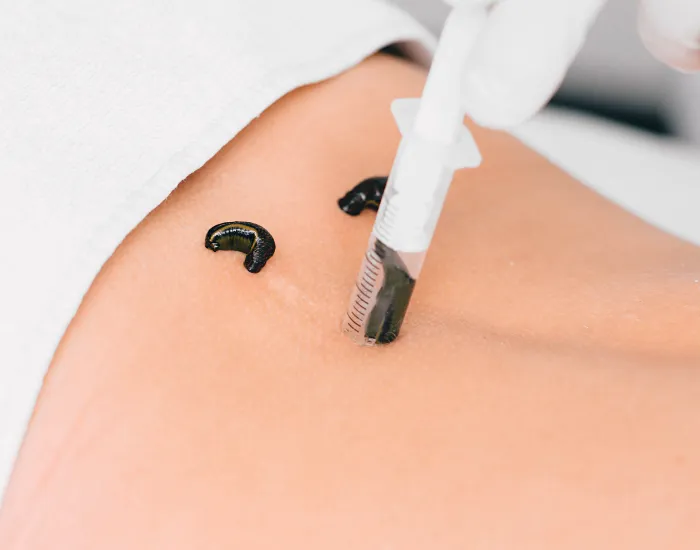
Leeches have been used in medicine for thousands of years, with their use documented as far back as ancient Egypt and Greece. Historically, they were commonly used for bloodletting, a practice based on the belief that removing blood could prevent or treat disease. When placed on the skin, leeches naturally attached themselves and fed on the patient’s blood.
Modern medicine no longer supports traditional bloodletting as a treatment for disease. However, medicinal leech therapy still has a specialized role in certain clinical situations, particularly in reconstructive and microsurgery, where it may help relieve venous congestion and support blood circulation in threatened tissue.
Preventing a Rare Complication After Surgery
Reattachment procedures, skin grafts, and reconstructive surgeries following cancer or trauma often rely on microsurgery. Using magnification and specialized instruments, surgeons reconnect extremely small blood vessels with very fine sutures. Although these operations are usually successful, a complication known as venous congestion can occasionally threaten the newly attached or reconstructed tissue.
Venous congestion develops when small veins cannot adequately drain blood away from the surgical area. As a result, deoxygenated blood accumulates in the tissue instead of returning to the heart and lungs. Without adequate drainage, oxygen delivery falls and metabolic waste builds up, potentially leading to tissue damage or loss.
In selected cases, medicinal leech therapy may be used to temporarily remove congested blood and improve venous drainage while new blood vessels develop or normal circulation is restored. This can help protect a compromised skin flap, graft, or reattached body part.
Keeping Blood Flowing
Leech saliva contains several biologically active substances, including hirudin, a powerful anticoagulant that helps prevent blood clotting. Other compounds can reduce platelet activity and promote continued blood flow from the treated area even after the leech has been removed. This prolonged bleeding can help relieve venous congestion, giving the affected tissue time for venous drainage to improve and new vascular connections to develop.
Leech saliva also contains substances with local anesthetic-like effects, which may make attachment less noticeable or uncomfortable for some patients.
Although medicinal leech therapy can help protect threatened tissue and support healing in carefully selected cases, some patients and families may initially feel uncomfortable with the idea. Clear communication about why the treatment is being used, how it works, and what clinicians hope to achieve can help patients better understand and accept the therapy.
Frequently Asked Questions