




What is Holistic Medicine?
Holistic medicine is individual's health which refers to approach perspective considers.

How Does It Work?
Holistic medicine is an approach to healthcare that focuses on the whole person, taking into account physical health as well as mental, emotional, and spiritual well-being. Its aim is to promote overall wellness by encouraging balance across different areas of life.
This approach recognizes that different aspects of a person’s well-being are interconnected. When one area is affected—whether physical, emotional, or psychological—it may influence other aspects of health and quality of life.
Holistic healthcare practitioners may combine conventional medical treatments with complementary approaches when appropriate. Rather than focusing only on symptoms, the goal is to consider lifestyle, well-being, and individual circumstances as part of a comprehensive care plan.
What’s the difference between holistic and natural medicine?
Naturopathy, also known as naturopathic or natural medicine, is a holistic approach to healthcare that emphasizes natural and lifestyle-based therapies. It may incorporate practices such as herbal remedies, nutrition, lifestyle changes, and acupuncture to support health and well-being.
While naturopathy generally focuses on natural approaches, some practitioners who provide holistic or integrative caremay combine complementary therapies with conventional medical treatments, including prescribed medications, when appropriate.

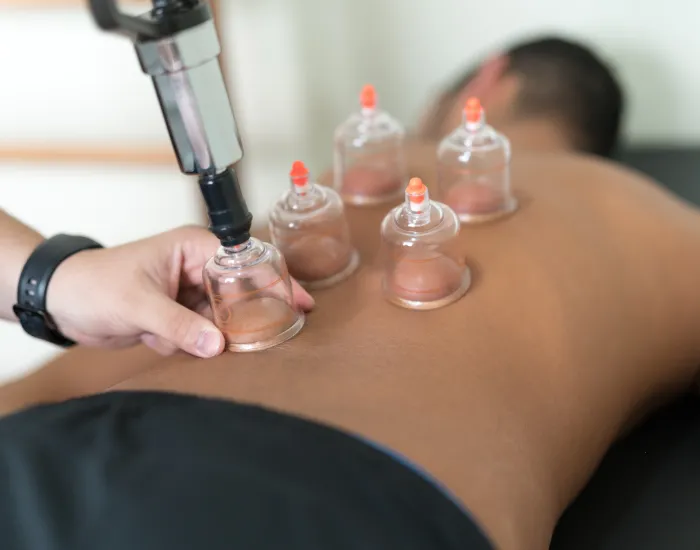
Holistic medicine practitioners include osteopaths, chiropractors, naturopaths and more. (Photo Credit: Tetra Images/Getty Images)
Principles of Holistic Medicine
Holistic medicine takes a whole-person approach to health, recognizing that physical, emotional, social, and sometimes spiritual factors can influence well-being. It emphasizes a supportive relationship between the patient and healthcare provider and encourages people to participate actively in decisions about their health.
Common principles include:
- Recognizing the body’s natural capacity for recovery, adaptation, and healing.
- Treating the person as a whole, rather than focusing only on a diagnosis.
- Encouraging collaboration between the patient and healthcare professionals.
- Considering lifestyle, physical health, emotional well-being, relationships, and personal circumstances when developing a care plan.
- Looking for and addressing underlying or contributing factors, while also managing symptoms appropriately.
Types of Holistic Healthcare Providers
The term holistic practitioner can describe professionals with very different qualifications. Some are licensed medical doctors, while others practice complementary or traditional healthcare systems. Their qualifications and legal scope of practice vary considerably between countries and regions.
Integrative Physician
An integrative physician is a licensed medical doctor who combines conventional, evidence-based medical care with selected complementary approaches. Depending on the patient's needs, this might include nutrition, exercise, stress management, mindfulness, massage, or acupuncture.
Naturopathic Practitioner
Naturopathy generally emphasizes nutrition, lifestyle modification, herbal products, and other natural approaches. Training, licensing, and permitted treatments vary substantially by jurisdiction. Naturopathic care should not replace necessary evidence-based medical treatment.
Osteopathic Physician
In countries such as the United States, a Doctor of Osteopathic Medicine (DO) is a fully licensed physician who can diagnose illness, prescribe medications, and perform surgery. Osteopathic physicians receive conventional medical training, with additional education in the musculoskeletal system and osteopathic principles; some also use manual techniques.
Chiropractor
Chiropractors primarily focus on the musculoskeletal system, particularly conditions involving the spine. Treatment commonly includes spinal or joint manipulation, exercise advice, and other physical approaches. They are not medical doctors unless they separately hold a medical degree, and their scope of practice depends on local regulations.
Ayurvedic Practitioner
Ayurveda is a traditional healthcare system originating in India. It may incorporate dietary practices, herbal preparations, yoga, massage, meditation, and lifestyle recommendations. Some Ayurvedic concepts are traditional frameworks rather than established biomedical mechanisms, and evidence for individual treatments varies.
Traditional Chinese Medicine Practitioner
Traditional Chinese Medicine (TCM) includes practices such as acupuncture, herbal medicine, massage, dietary approaches, and exercises such as qigong. Traditional concepts such as qi form part of its historical framework, while scientific evidence for specific TCM treatments varies depending on the therapy and condition.
Holistic and Integrative Treatment Approaches
A whole-person treatment plan may incorporate several approaches depending on the practitioner's qualifications and the patient's individual needs:
➤ Lifestyle education – nutrition, exercise, sleep and healthy habits.
➤ Psychological support – stress management, counseling or psychotherapy when appropriate.
➤ Complementary therapies – such as acupuncture or massage where appropriate.
➤ Conventional medicine – including medications, investigations, procedures and surgery when medically indicated.
➤ Self-care and prevention – helping patients make sustainable changes that support long-term health.
Importantly, complementary therapies should generally be used alongside appropriate conventional healthcare rather than as a replacement for necessary medical treatment.
Choosing a Holistic Healthcare Provider
When considering a practitioner, it is important to look beyond the word holistic and examine their actual qualifications, registration, training and scope of practice.
Consider whether the practitioner:
- Has appropriate professional qualifications and licensing or registration where required.
- Has experience relevant to your particular health concerns.
- Takes time to understand your medical history, medications, lifestyle, sleep, diet and emotional well-being.
- Communicates respectfully and involves you in treatment decisions.
- Explains the potential benefits, risks and limitations of proposed treatments.
- Is willing to work with your GP, specialists or other healthcare professionals when necessary.
- Does not encourage you to stop prescribed medication or proven treatment without appropriate medical supervision.
A good whole-person approach should consider both lifestyle and medical factors while keeping treatment safe, evidence-informed and appropriate to the individual's needs.
Frequently Asked Questions