


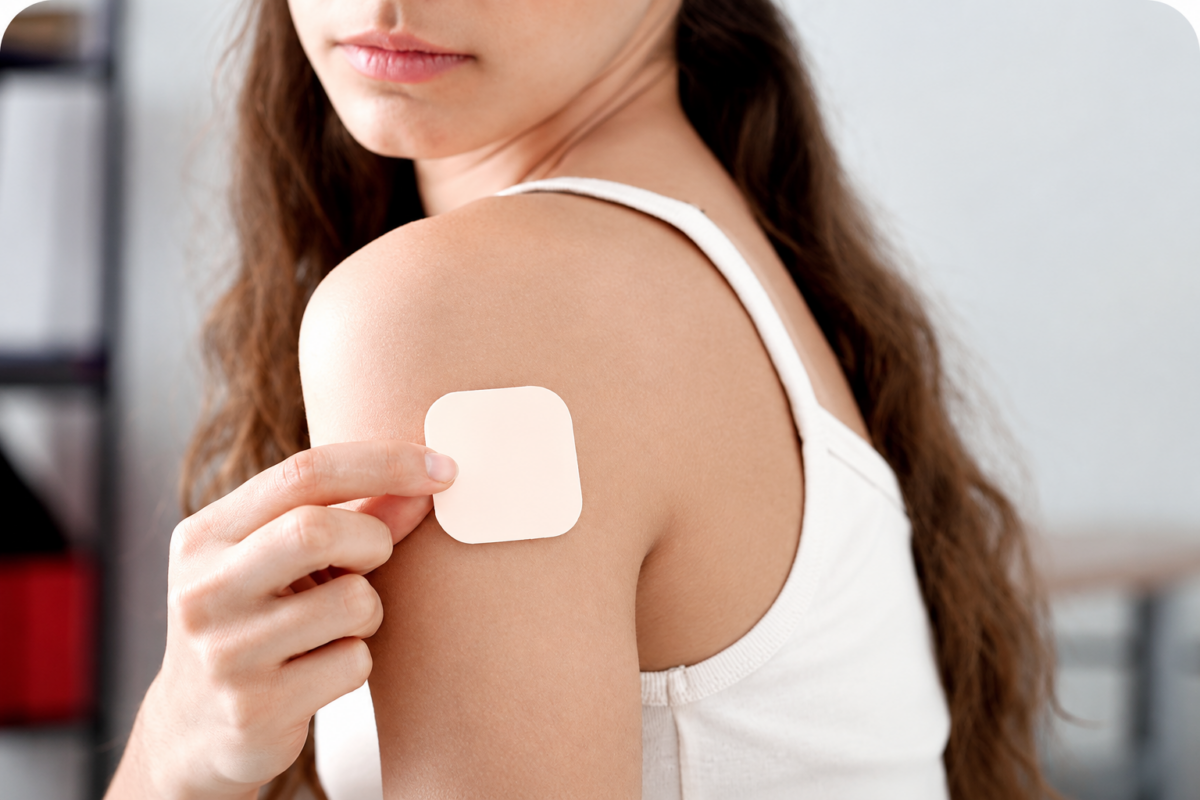
Transdermal Therapeutic Patch
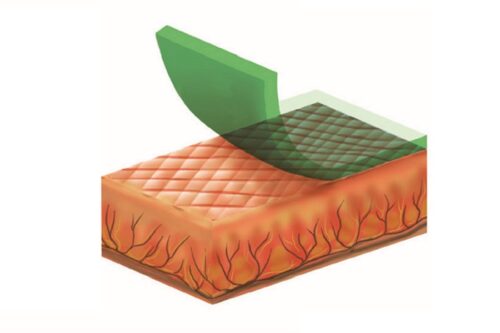
A transdermal therapeutic patch is a medicated adhesive system applied to the skin. It is designed to release a specific amount of medication gradually, allowing the drug to cross the skin and enter the bloodstream. This can provide a prolonged therapeutic effect without requiring frequent oral doses.
How does a transdermal patch work?
After the patch is placed on the skin, the medication is released from the patch and moves through the outer skin barrier (stratum corneum). It then passes through deeper layers of the skin and reaches small blood vessels, where it enters the systemic circulation.
Patch → Skin surface → Skin layers → Blood vessels → Systemic circulation
The rate of delivery depends on several factors, including the medication, patch design, skin characteristics, application site, temperature, and how long the patch remains in place.
Main components
A transdermal patch may contain several layers, including a protective backing layer, a drug-containing layer or reservoir, an adhesive that keeps the patch attached to the skin, and a release liner that is removed before application. Some designs also contain a membrane that helps regulate how quickly the medication is released.
Why are transdermal patches used?
They can provide slow and sustained medication delivery, helping maintain relatively stable drug concentrations for hours or even days. They also avoid passage through the gastrointestinal tract and can reduce the effects of first-pass metabolism in the liver compared with some oral medications.
Another practical advantage is convenience. Depending on the medicine, a patient may need to replace a patch only once a day or every several days rather than taking multiple tablets.
Common medications delivered by patches
Examples include nicotine for smoking cessation, nitroglycerin for prevention of angina, estrogen or other hormones, scopolamine for motion sickness, and certain medicines used for pain or neurological conditions.
Possible side effects and precautions
The application site may develop redness, itching, irritation, or contact dermatitis. Medication-specific systemic side effects can also occur because the drug enters the bloodstream.
Patches should generally be applied to clean, dry, intact skin and used exactly as directed. Heat from heating pads, hot-water bottles, saunas, or other sources can increase absorption from some patches and potentially cause excessive drug exposure. Patches also should not be cut unless the specific product instructions state that doing so is safe.
Transdermal vs. topical treatment
The terms are related but not identical. A topical medication is usually applied to produce an effect primarily at or near the skin, whereas a transdermal medication is specifically formulated to cross the skin and reach the bloodstream to produce effects elsewhere in the body.
In simple terms: A transdermal therapeutic patch acts as a controlled drug-delivery system, using the skin as a route for medication to gradually enter the circulation.
【 How to Apply a Transdermal Patch】
Step-by-step instructions
✔ Preparing
- Carefully read the instructions provided with your patch. They explain where to apply it, how long to keep it on, and when it should be removed or replaced.
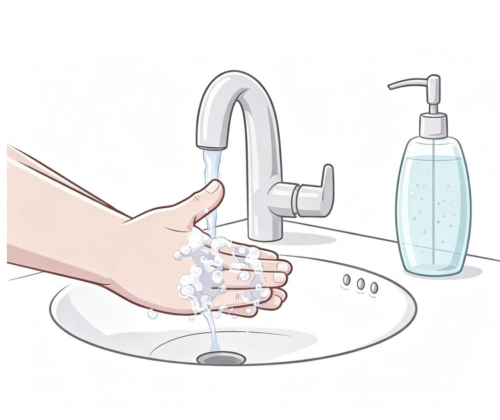
- Wash your hands thoroughly with soap and water before handling the patch. If soap and water are unavailable, use an alcohol-based hand sanitizer instead.
- Remove the old patch: If you are already wearing a patch containing the same supplements, gently peel it off. Fold the used patch in half with the sticky sides together, then dispose of it safely in a closed rubbish bin.
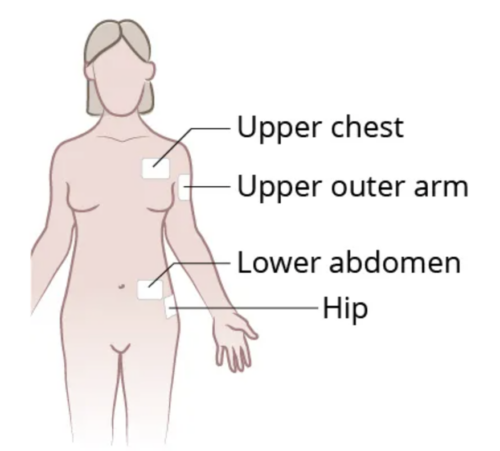
- Choose the correct application site: Check your doctor’s directions and the instructions supplied with the medication to determine where the new patch should be applied. Depending on the supplements, recommended areas may include the upper chest, outer upper arm, lower abdomen, or hip.
- Clean and prepare the skin: Remove any dirt, oil, lotion, or powder from the application area. Wash the skin with warm water, with or without a mild, unscented soap that does not contain lotion. Dry the area thoroughly with a clean towel or paper towel.
- Open the package carefully: Tear open the package or use scissors, taking care not to cut or damage the patch. If the patch is accidentally torn or cut, do not use it. Dispose of it according to the product instructions.
- Remove the protective liner: Take the patch out of its package and peel away the protective backing as instructed, avoiding contact with the sticky surface. If the liner has two sections, remove the first section, place the exposed adhesive onto the skin, then remove the second section and apply the remainder of the patch.
Apply the patch firmly: Position the patch with the sticky side against the clean, dry skin. Press it firmly with the palm of your hand to help ensure the entire patch is securely attached.
✔ Applying the patch
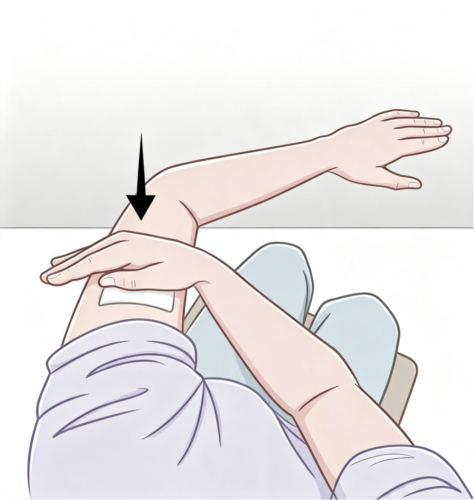
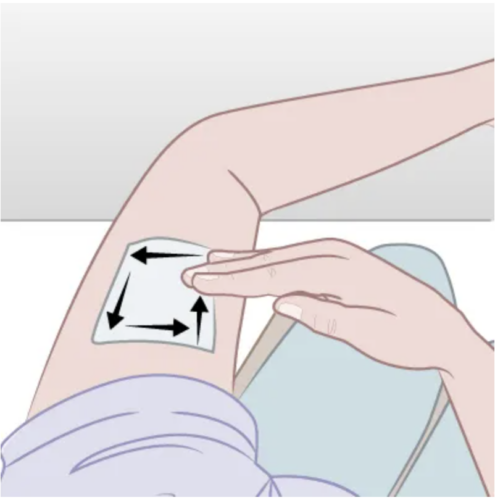
- Use your fingers to press along the edges of the patch. The patch should be smooth, with no bumps or folds.
✔ Finishing up
- Throw away the patch’s packaging in a closed trashcan.
- Wash your hands well with soap and water to remove any medication.
