





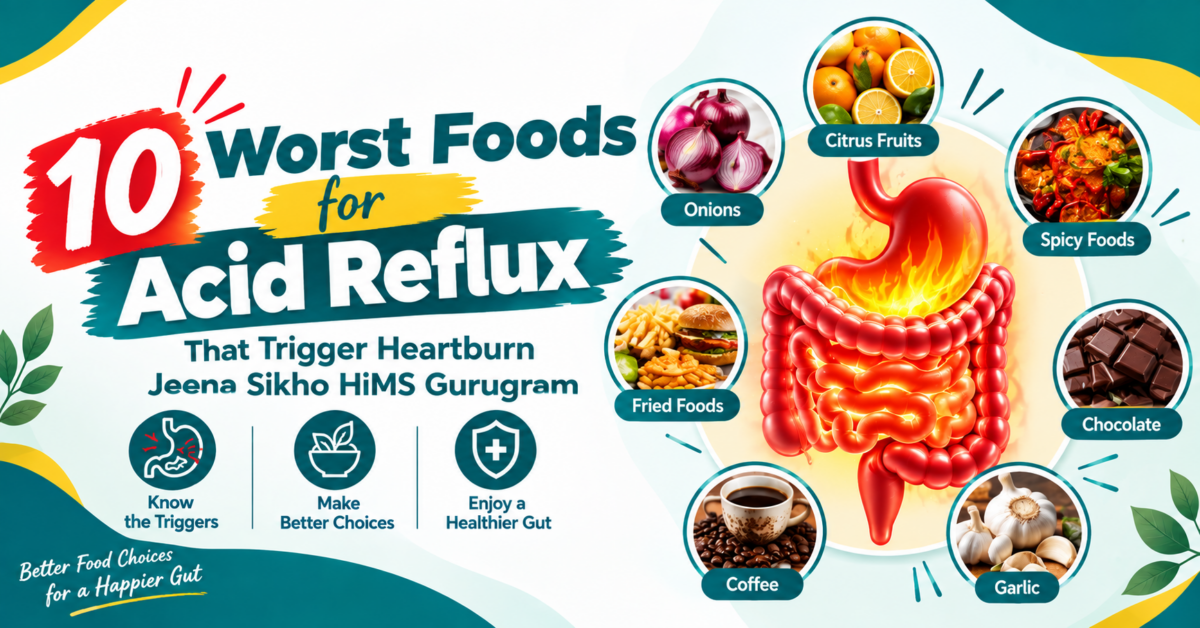
Not every food affects everyone the same way. Still, these ten are common triggers that many people react to.

1. Alcohol

Alcoholic drinks such as beer, wine, and spirits can relax the valve that connects the stomach to the food pipe. When this valve becomes loose, stomach acid can flow back upward, leading to the uncomfortable burning sensation known as heartburn. This problem tends to become even more severe if you drink alcohol shortly before going to bed. As such, cutting back on how much alcohol you consume can help prevent these unpleasant symptoms.
2. Garlic and Onion
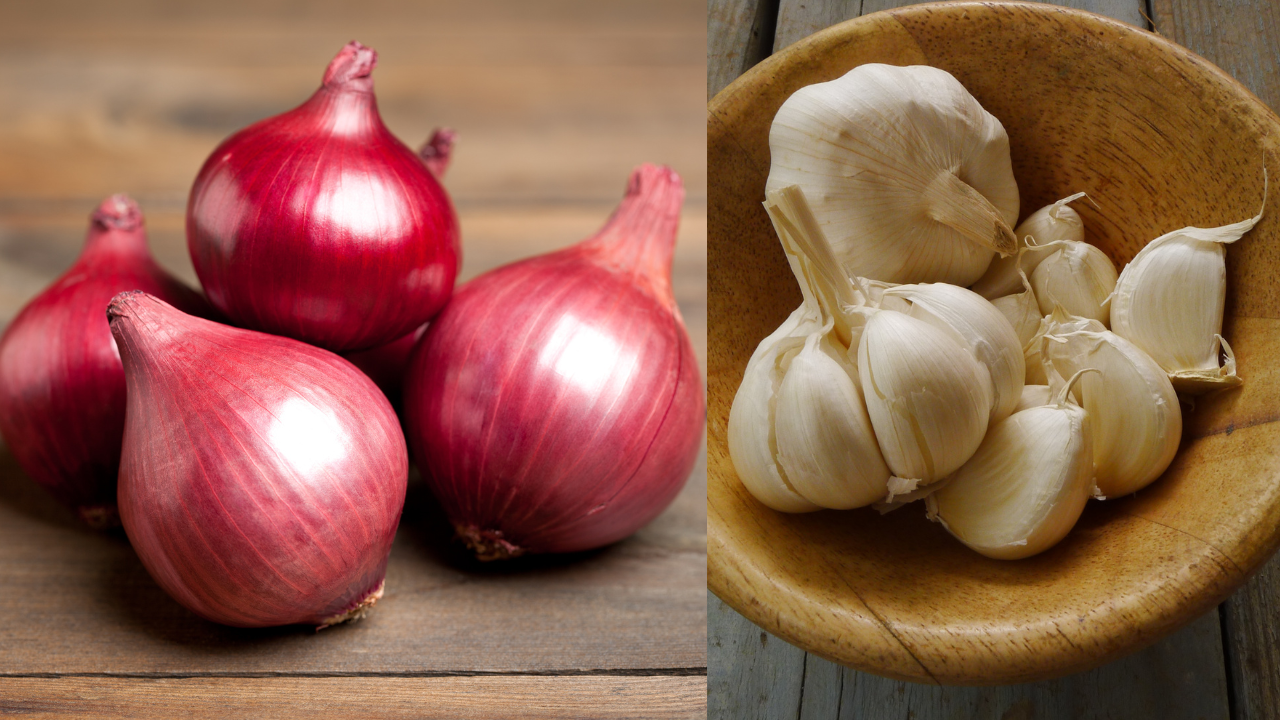
Raw garlic, onions, and other foods like them are common triggers for acid reflux. They work in two ways: they can relax the valve that keeps stomach contents down, and they may also irritate the lining of the food pipe. However, you can lessen this effect by preparing these foods differently. Cooking them lightly before you eat them tends to make them far less likely to cause these uncomfortable symptoms.
3. Carbonated Drinks

Carbonated beverages such as soda, fizzy drinks, and sparkling water can significantly worsen the symptoms of acid reflux. The carbon dioxide gas found in these drinks builds up pressure inside the stomach, which can force stomach acid to rise back up into the food pipe. Reducing how many of these bubbly beverages you consume can therefore help ease this uncomfortable condition.
4. Chocolate

Chocolate contains a natural substance called theobromine, which has the effect of relaxing the valve between the stomach and the food pipe. When this valve relaxes, stomach acid can easily flow back upward, resulting in the burning discomfort commonly known as heartburn. While consuming small quantities of dark chocolate is generally well‑tolerated and unlikely to cause trouble, eating it frequently or in larger amounts can still trigger acid reflux symptoms.
5. Citrus Fruits and Juices
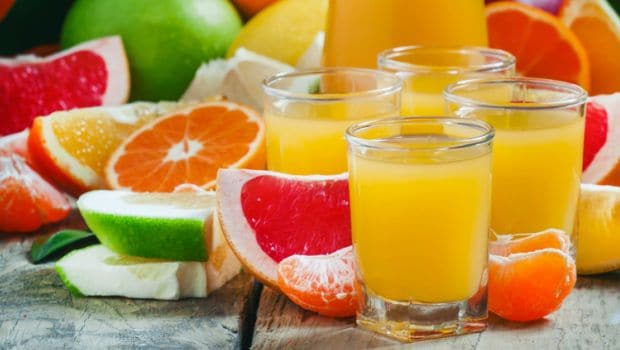
Oranges, lemons, and grapefruit — as well as the juices made from these fruits — are highly acidic. Because of their acidity, they can irritate the lining of the food pipe and may also reduce the tightness of the valve that separates the stomach from the pipe. For this reason, people who already experience acid reflux often find that eating these fruits or drinking their juice brings on a painful bout of heartburn.
6. Coffee and Caffeine

Coffee, tea, and other beverages that contain caffeine can both relax the valve between the stomach and food pipe and stimulate the production of stomach acid. For this reason, many people find that drinking these beverages brings on or worsens their acid reflux symptoms. The best approach is to pay attention to how your body reacts — if you notice caffeine affects you, simply cut back or choose alternatives as needed.
7. Fried Foods

Foods such as French fries, pakoras, samosas, and other deep‑fried items contain a very high amount of fat. A high‑fat diet slows down the digestive process and also tends to relax the valve that keeps stomach acid from rising back up. You can help avoid this problem by choosing healthier cooking methods — baking or air‑frying your foods instead of deep‑frying them is generally a much better option.
8. High-Fat Foods

Butter, cheese, rich creamy sauces, and fatty cuts of meat can both stimulate excess stomach acid production and relax the valve that guards the opening between the stomach and food pipe. In their place, using moderate portions of healthier fats — such as olive oil — can help keep acid levels balanced and significantly reduce the risk of uncomfortable heartburn.
9. Peppermint

Peppermint has the potential to overly relax the valve that separates the stomach from the food pipe, which in turn raises the likelihood of acid flowing back upward and triggering reflux. Even though peppermint is well known for its ability to calm an unsettled stomach, it is best avoided by anyone who frequently suffers from acid reflux or heartburn.
